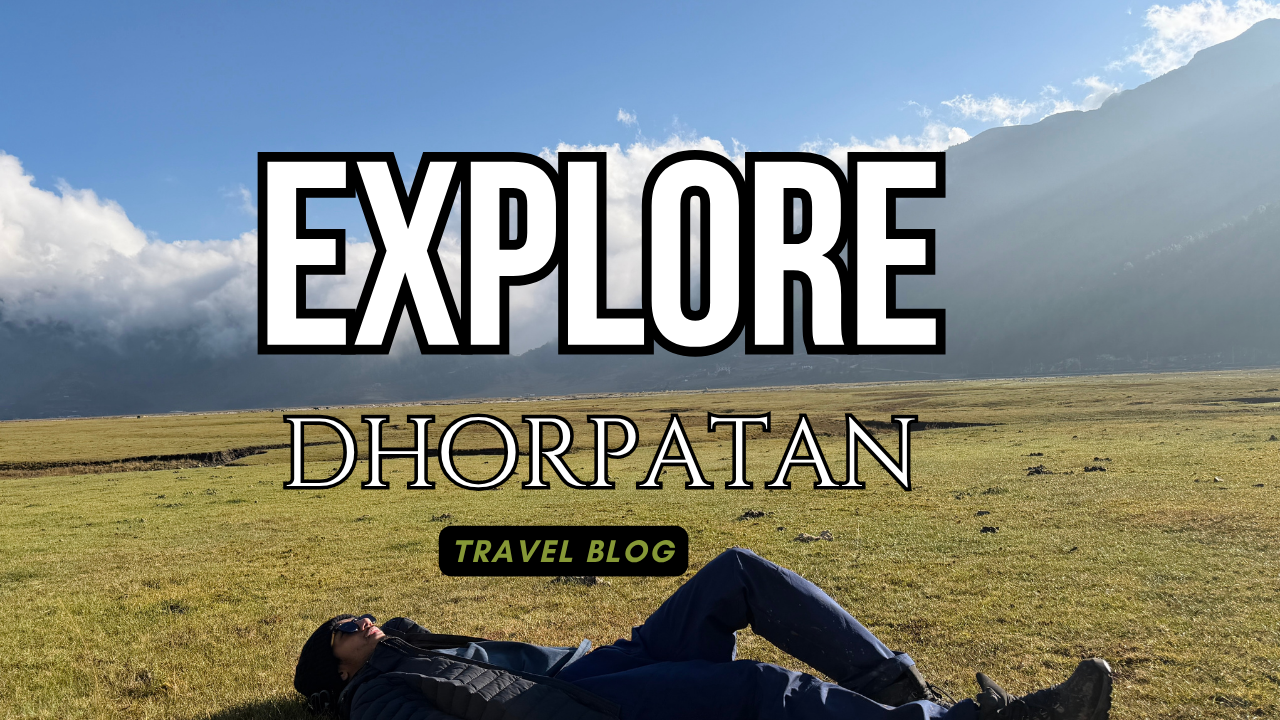

If you look at a trekking map of western Nepal, you’ll notice a massive, quiet gap wedged between the crowded trails of Annapurna and the dry deserts of Dolpo. That blank canvas is where Burtibang, Dhorpatan, and Jaljala sit.
A lot of travel guides talk about "untouched corners," but this route actually means it. You won't find bakeries selling warm apple pie or Wi-Fi signs nailed to pine posts out here. What you get instead is red mud on your boots, woodsmoke that stays in your fleece for a week, and an silence so deep your ears ring.
Here is what the journey actually feels like on the ground.
Starting Out: The Dust of Burtibang
Burtibang sits low down along the Badigad River, somewhere around 1,150 meters. It’s loud, hot, and constantly churning with dust.
Because it sits along the Mid-Hill Highway, it functions as the frontier trade post for the whole area. You’ll see old Tata trucks unloading bags of lentils, local schoolkids dodging motorbikes, and beaten-up Mahindra Bolero jeeps with tires caked in dried clay.
This is where you make your final sanity check:
- Pull all the cash you think you’ll need—and then pull some more. Once you leave Burtibang, cash machines don't exist.
- Stock up on basic staples: glucose biscuits, trail nuts, extra socks, and iodine or chlorine tablets for your water.
- Sit down at a tea stall, order a glass of sweet, milky chiya, and negotiate a ride or lace up your boots to start heading up.
The Grind Up: From Subtropical Heat to Oak Woods
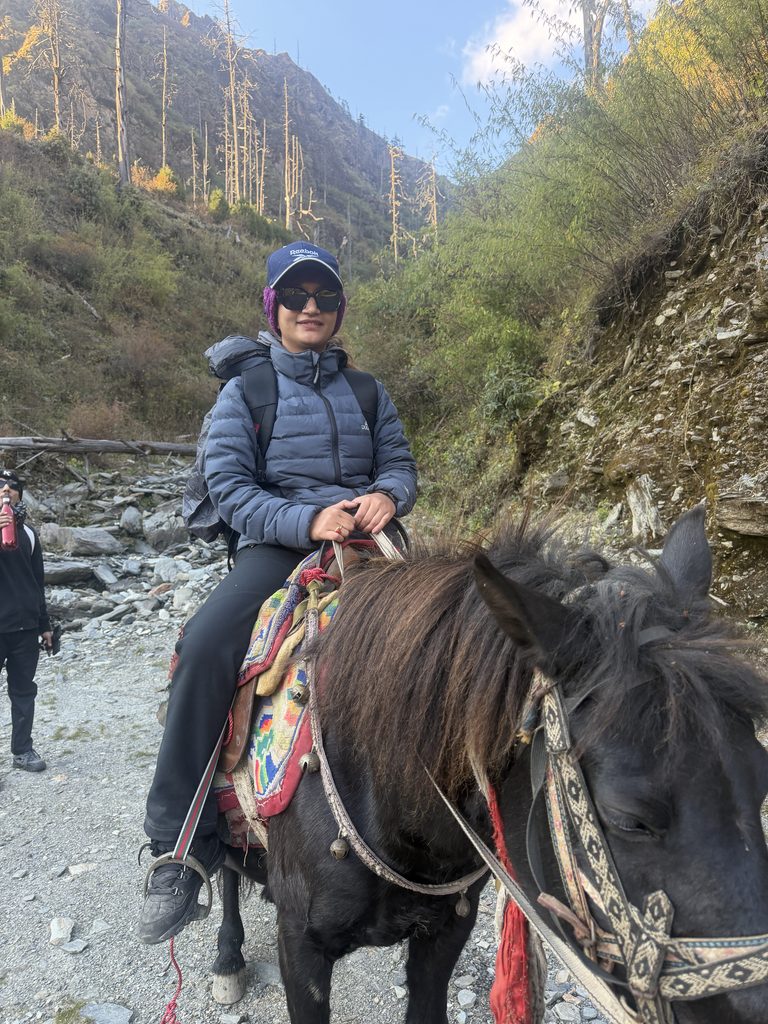
Getting out of the river valley toward Dhorpatan is a shock to the lungs. The dirt track crawls upward through terraced millet fields and tiny Magar settlements like Bobang.
If you take a jeep, prepare to have your bones rattled across bare rock, loose shale, and waterlogged ruts for five to six hours. If you walk, the transformation of the landscape happens inch by inch: the banana plants and warm pine vanish, replaced by dense, mossy oak, twisting rhododendrons, and the smell of wet mountain earth.
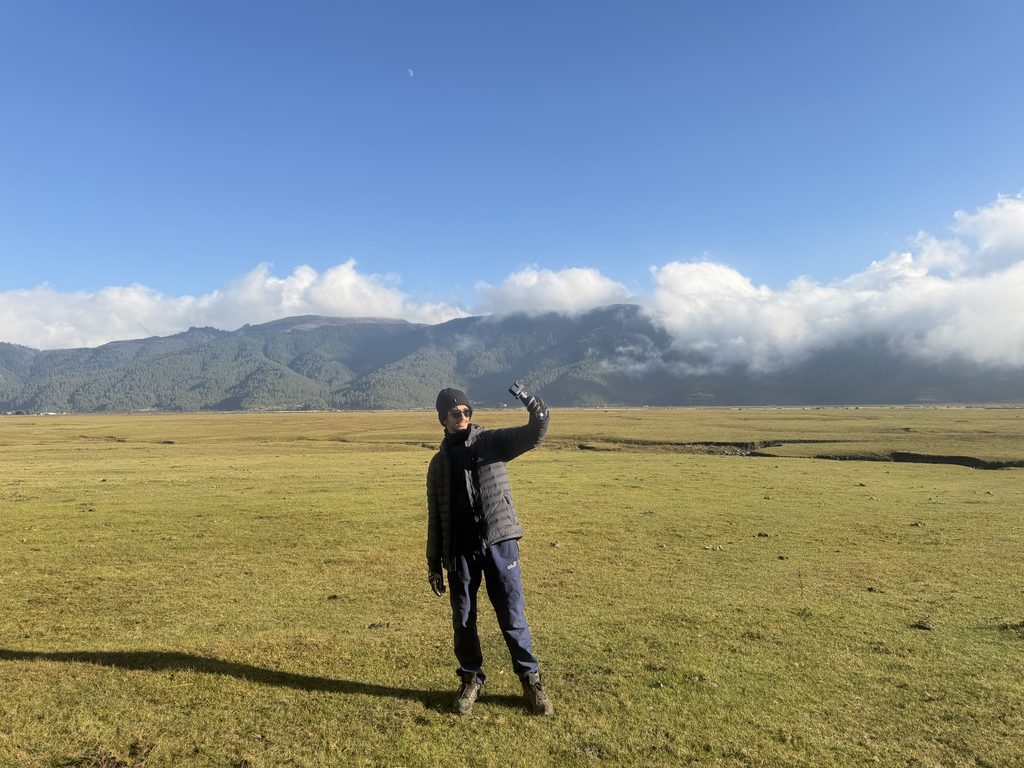
The air thins out, the breeze turns bitey, and suddenly, the steep gorge gives way. You pop out onto a vast, flat valley floor that looks more like northern Mongolia than typical vertical Nepal.
Dhorpatan Valley: Horses, Peat, and Wooden Shingles
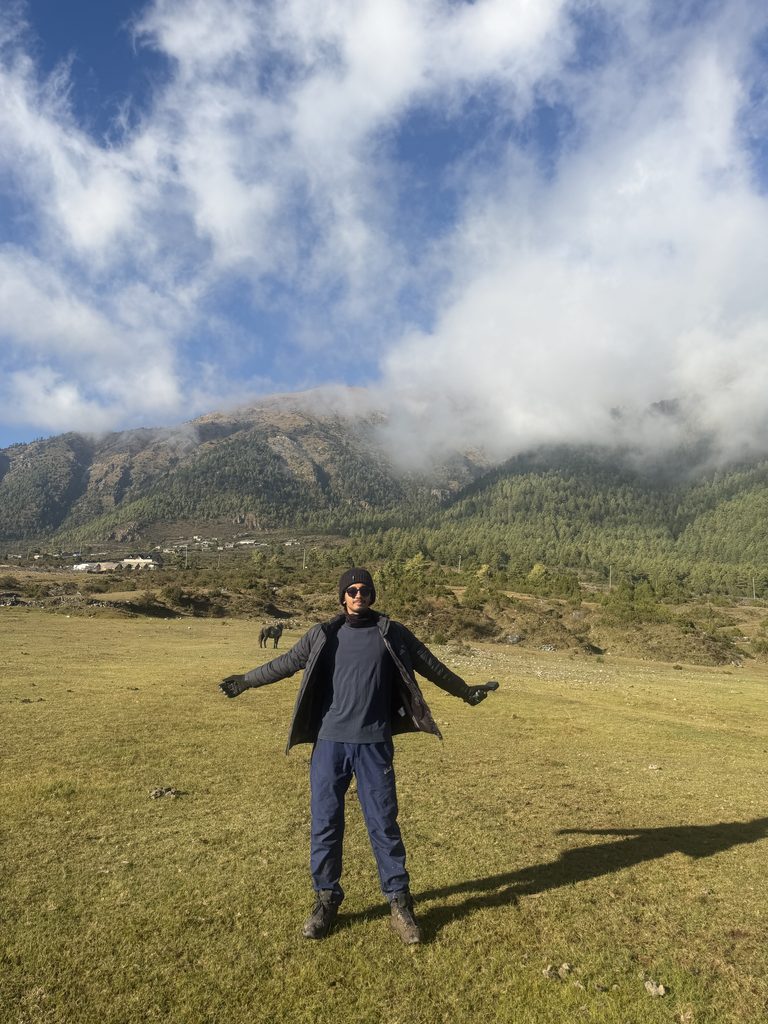
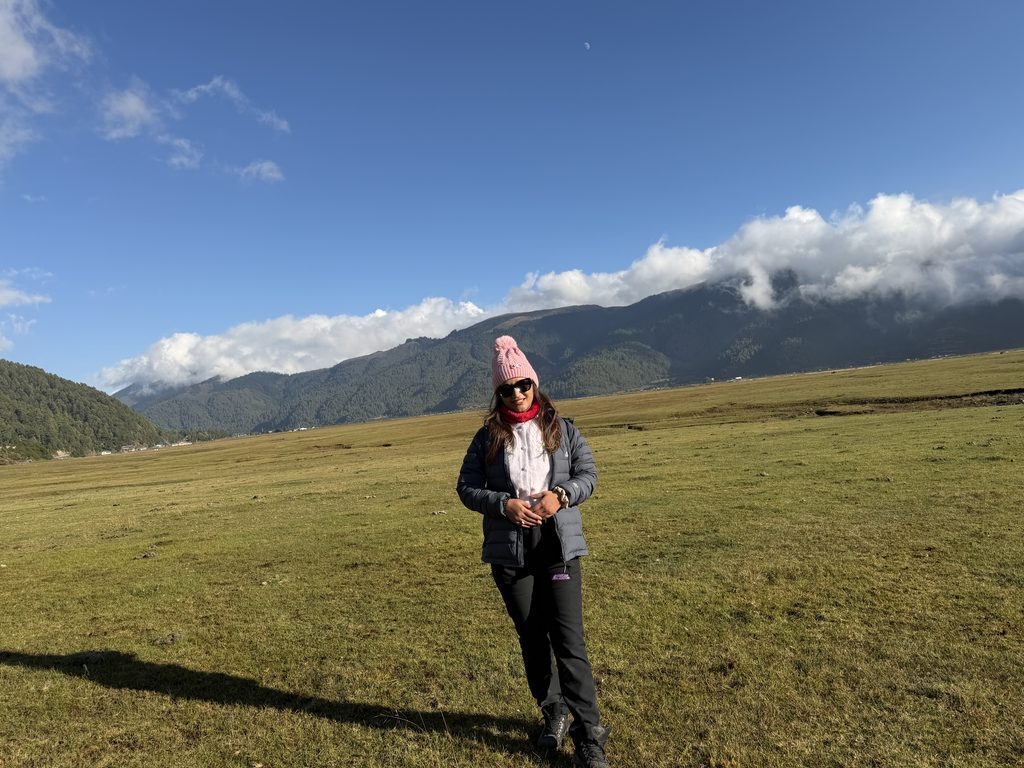
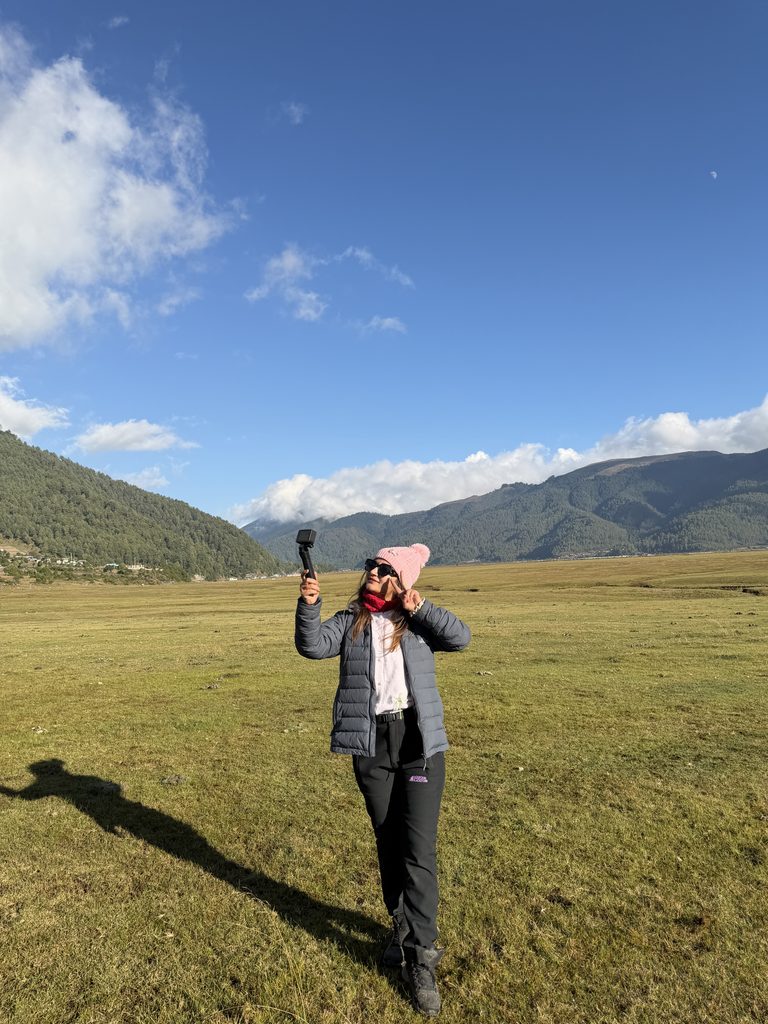
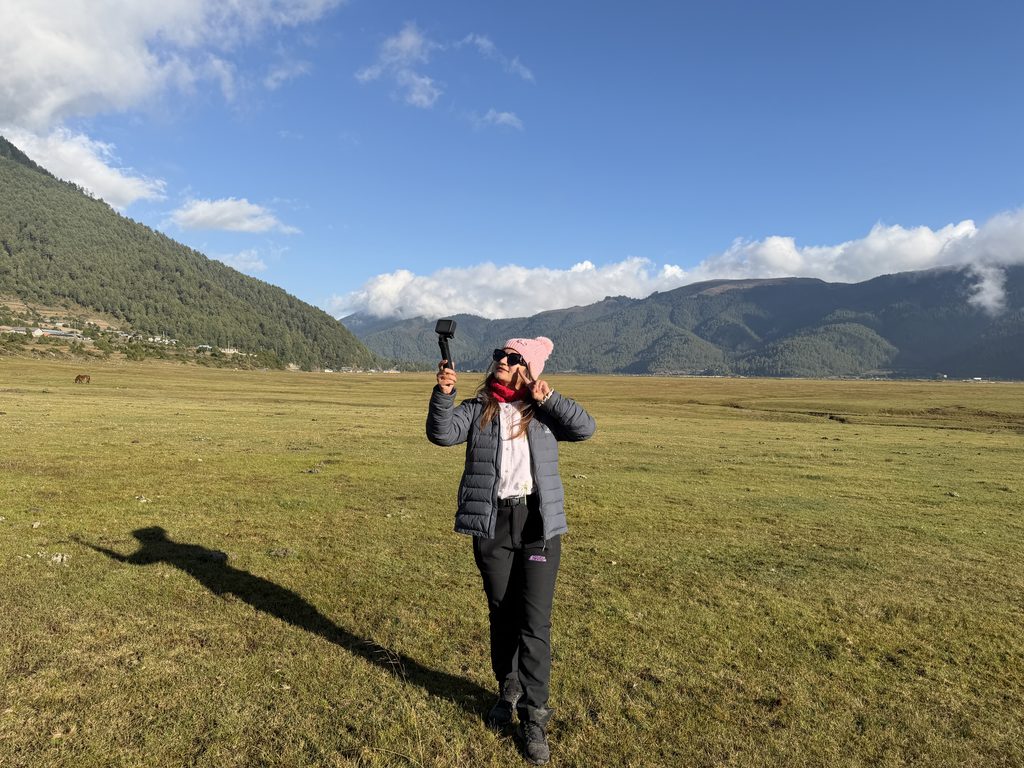
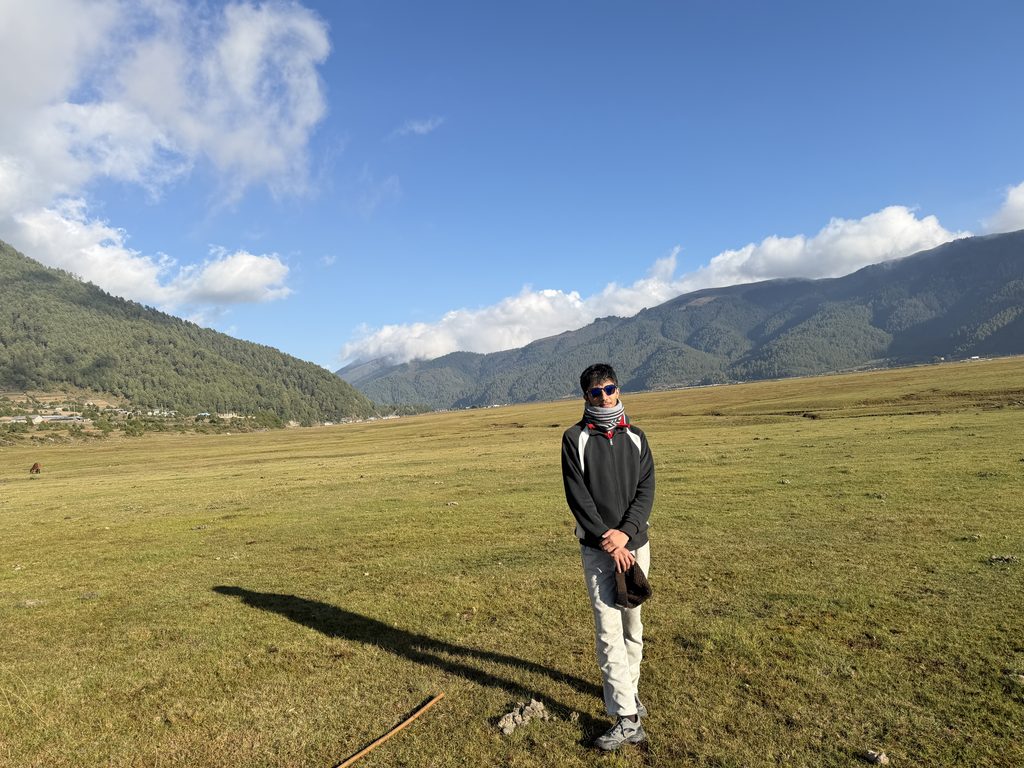
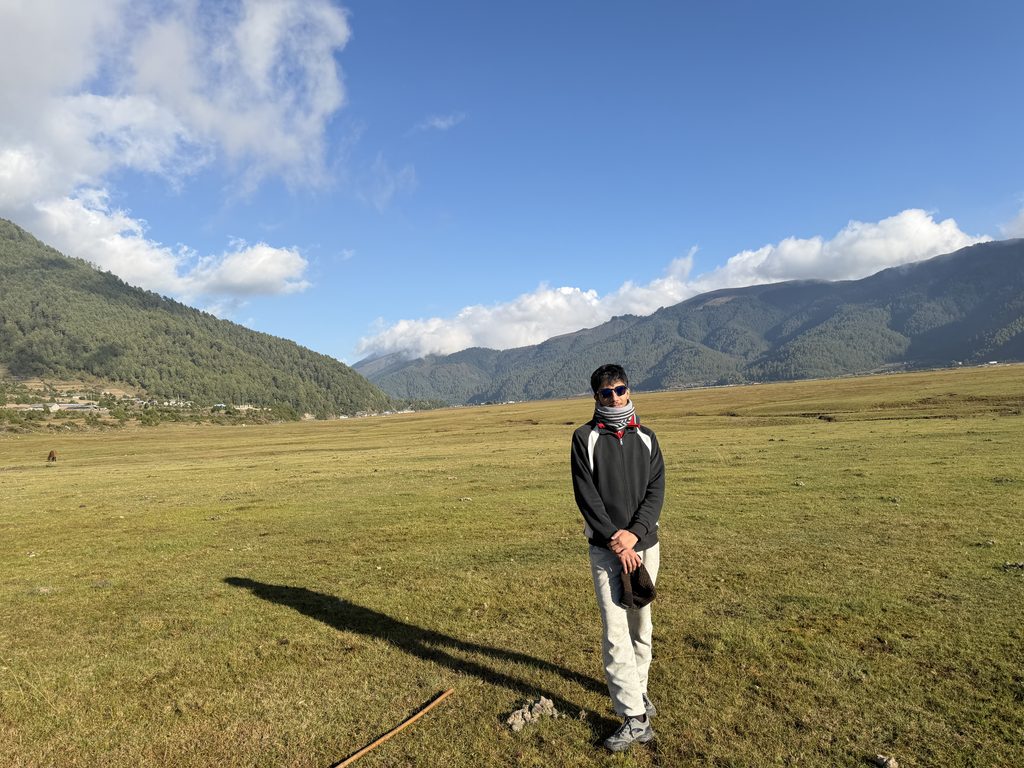
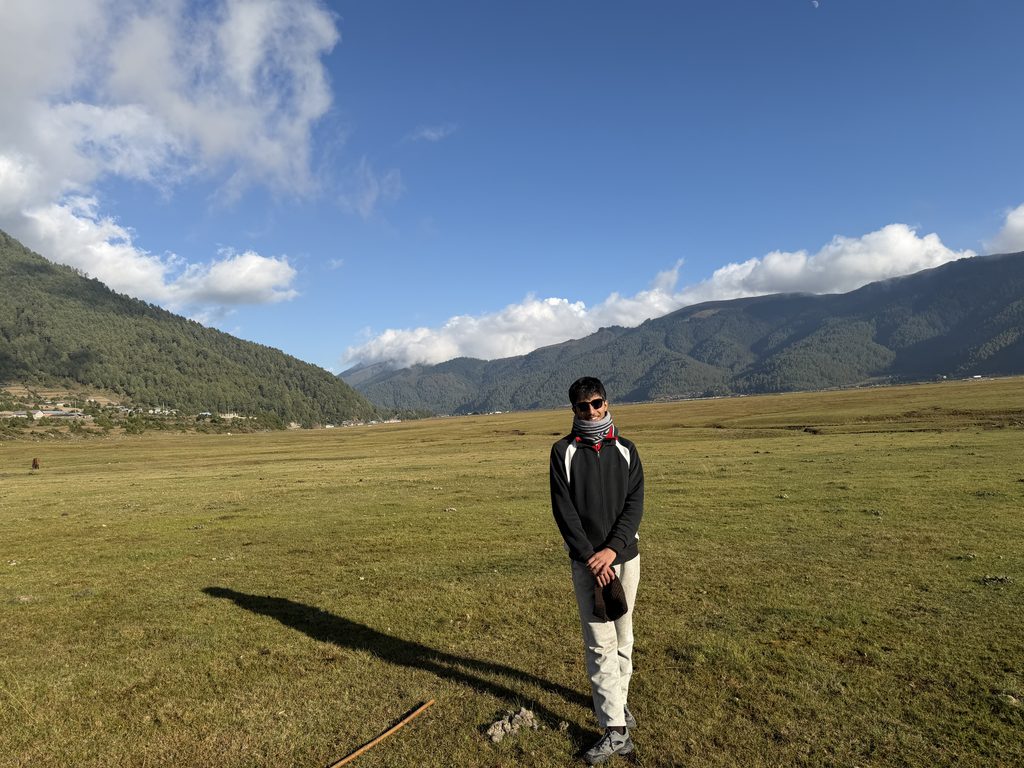
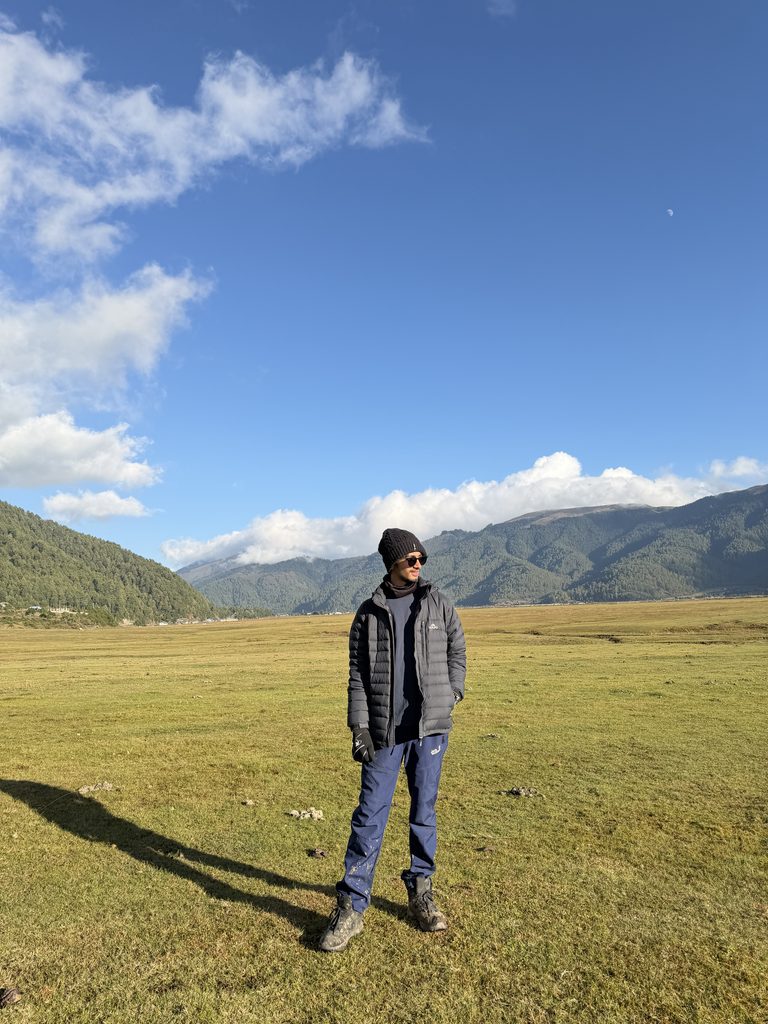
At roughly 2,850 meters, Dhorpatan feels otherworldly. It’s a wide, marshy basin carved between dark, rolling ridges, designated as Nepal's only hunting reserve.
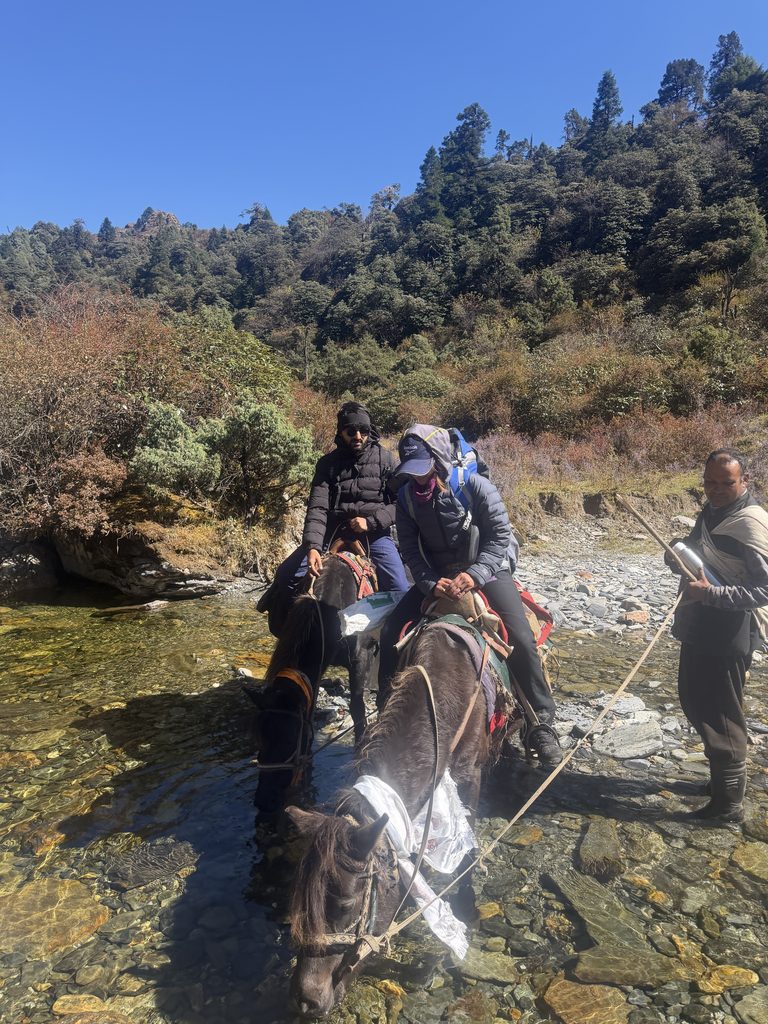
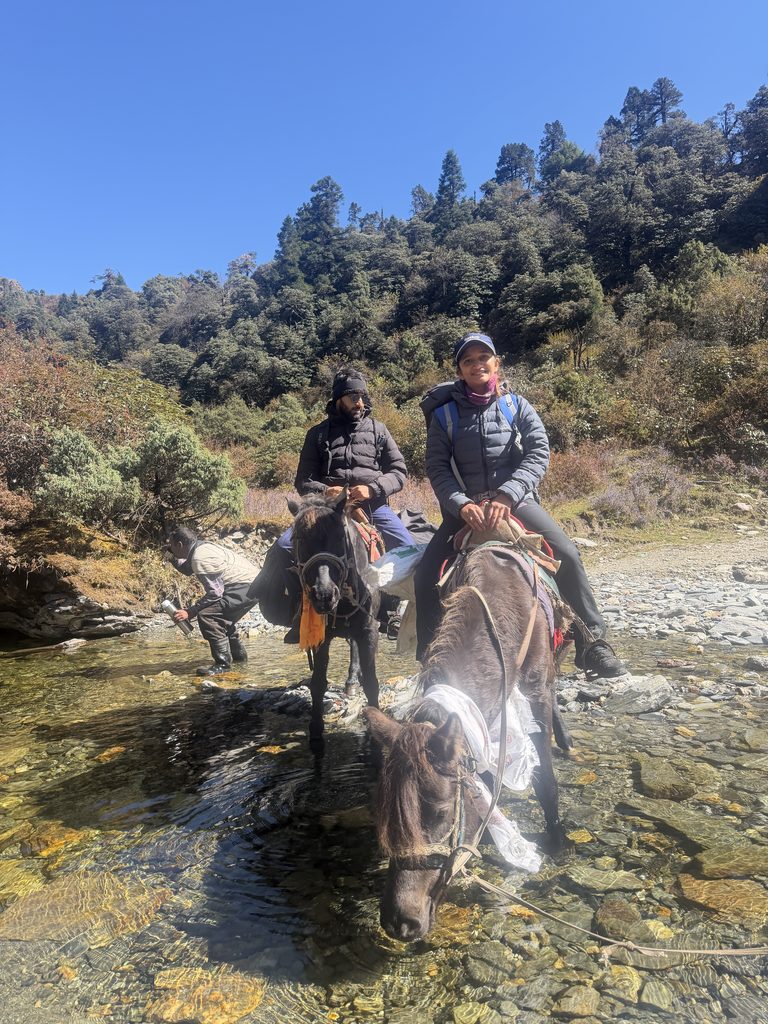
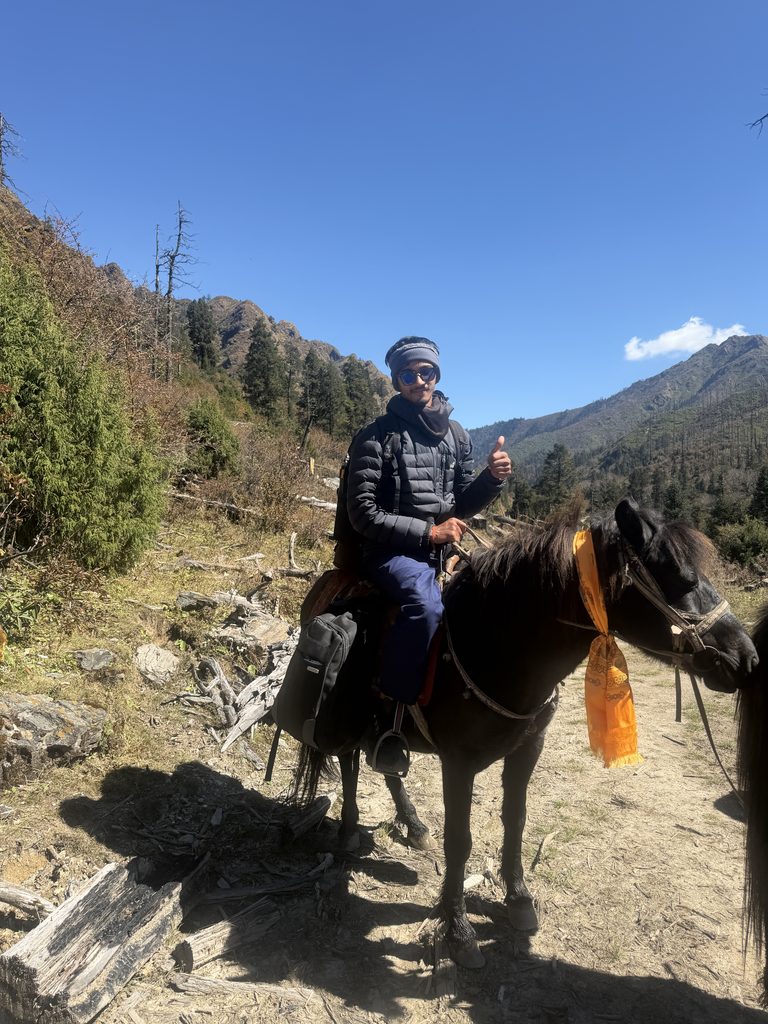
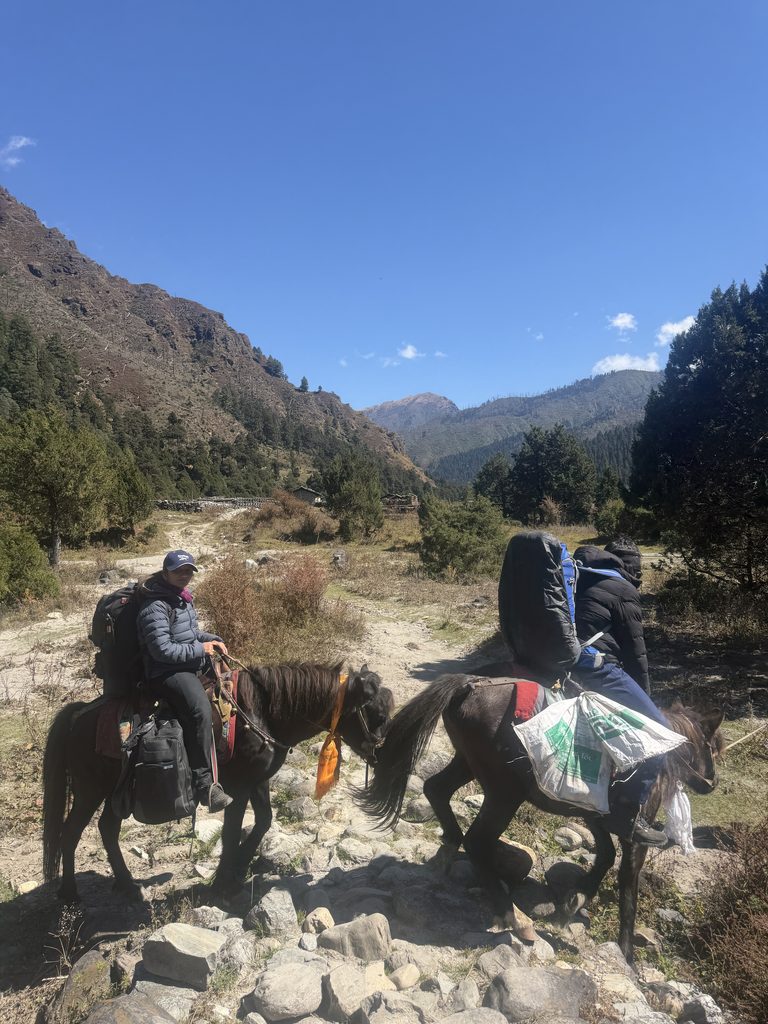
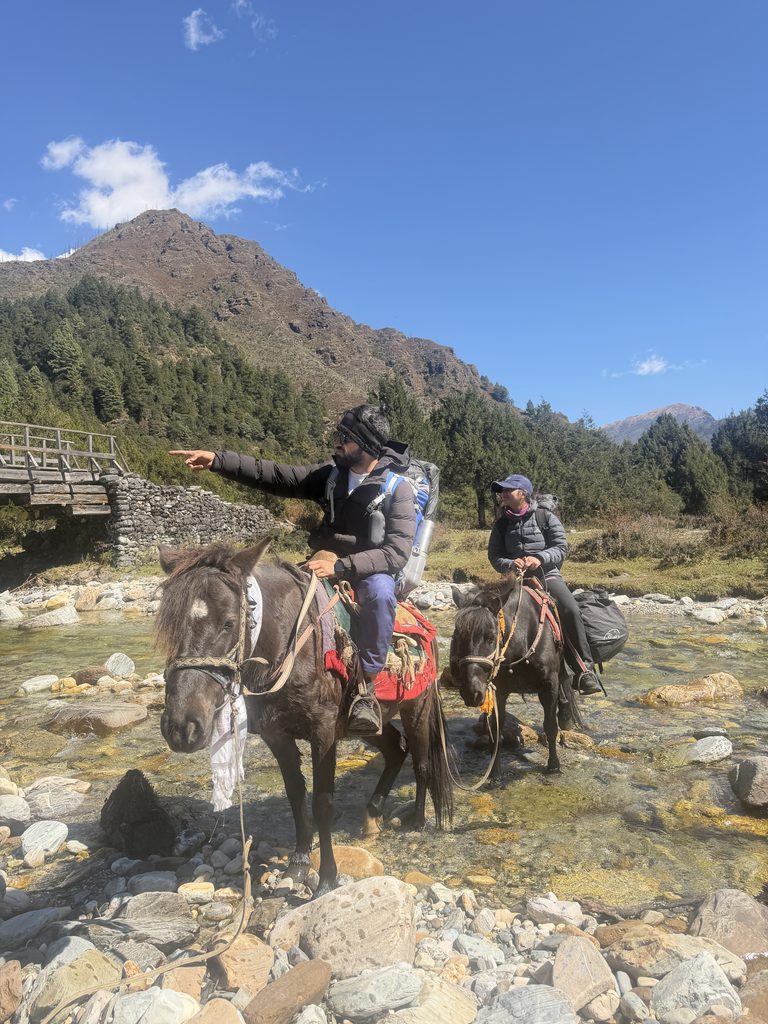
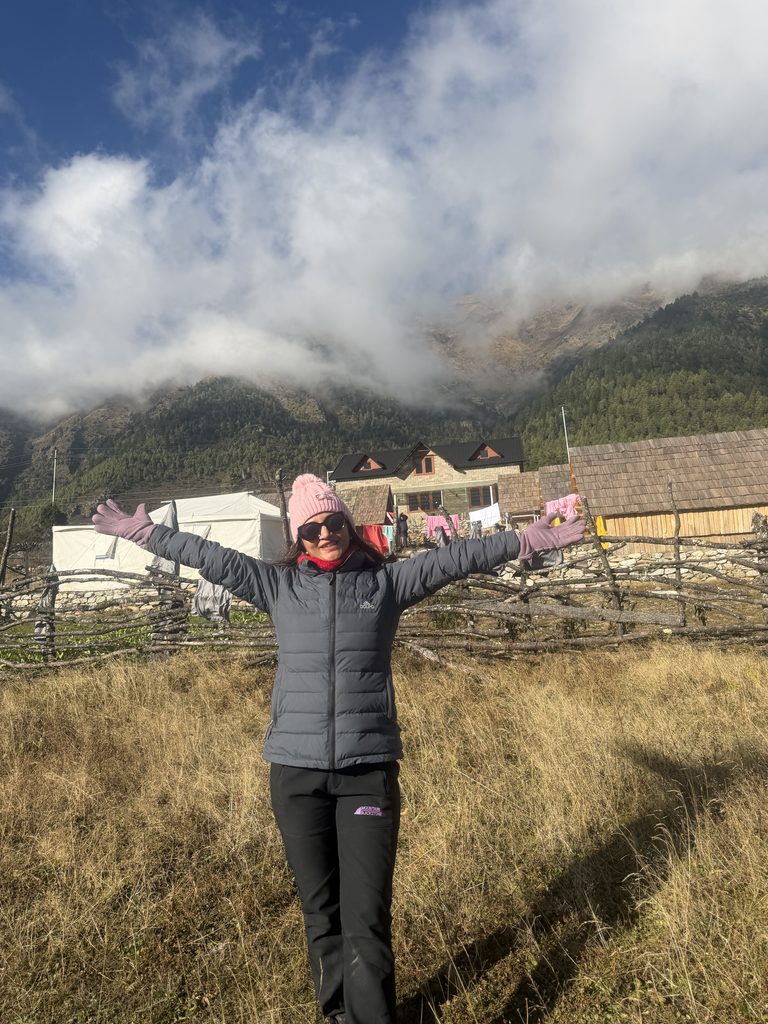
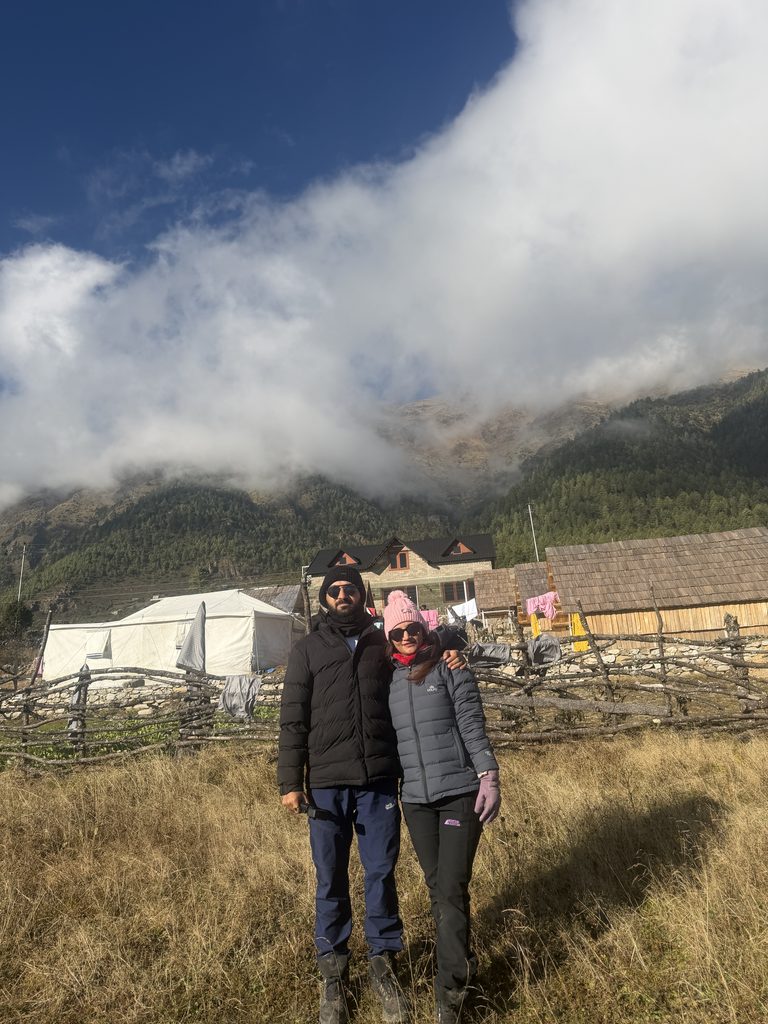
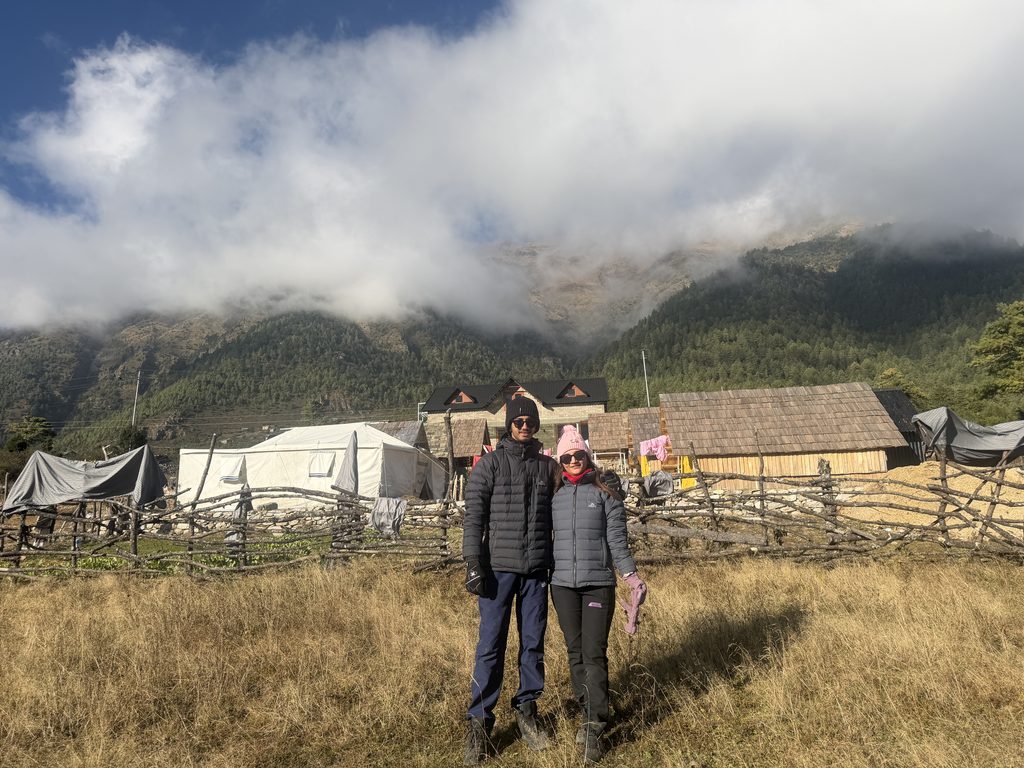
In spring, the hills around the rim are bright red with rhododendron blooms. By late autumn, the grass turns the color of roasted grain, frost coats the pasture every morning, and semi-wild mountain horses graze by sluggish, crystal-clear streams.
Walking through the valley, you quickly run into the Tibetan refugee settlement, established back in the early 1960s. Low-slung wooden houses with stone-weighted roofs sit tucked along the base of the hills. If you follow the quiet clatter of wooden looms, you’ll find women hand-spinning wool and knotting thick traditional rugs. There’s a small, weathered gompa where prayer flags snap constantly in the high-altitude wind.
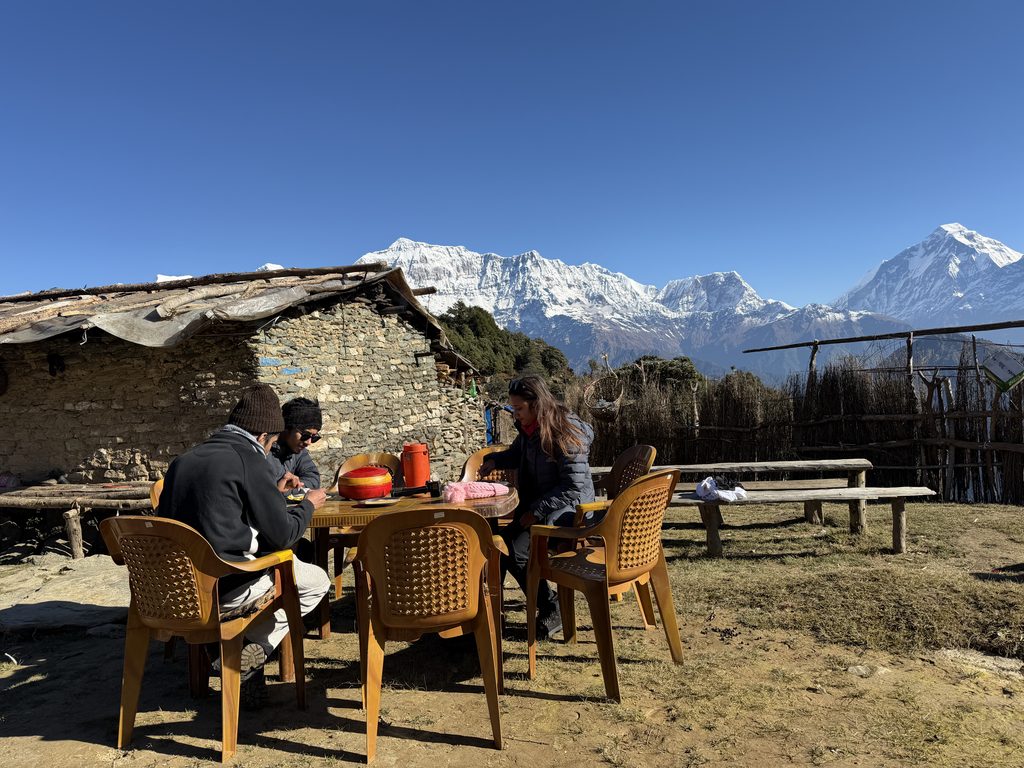
Evenings in Dhorpatan are spent huddled around the chulo (the wood-burning hearth) inside a local homestay. Dinner is almost always the same, and it’s always perfect: heaps of steaming local rice or buckwheat dhiro, fresh potato curry pulled from the black soil outside, and fermented leafy greens (gundruk).
Pushing Up to Jaljala: Wild Moorland and Wind
Leaving the flat pasture of Dhorpatan behind, the trail heads into the high borderland between Baglung, Myagdi, and the fringes of Rolpa.
You follow the faint paths beaten into the turf by gothalas (seasonal herders) moving their cattle and sheep between summer pastures. As you climb past 3,000 meters, the trees shrink away into scrub juniper and spongy alpine grass. You feel totally exposed to the sky.
The climb up toward Jaljala (around 3,200 to 3,400 meters) is quiet in a way that catches your breath. In monsoon and late summer, this whole ridge is a spongy, flower-choked wetland (which is what Jaljala literally hints at—waterlogged earth).
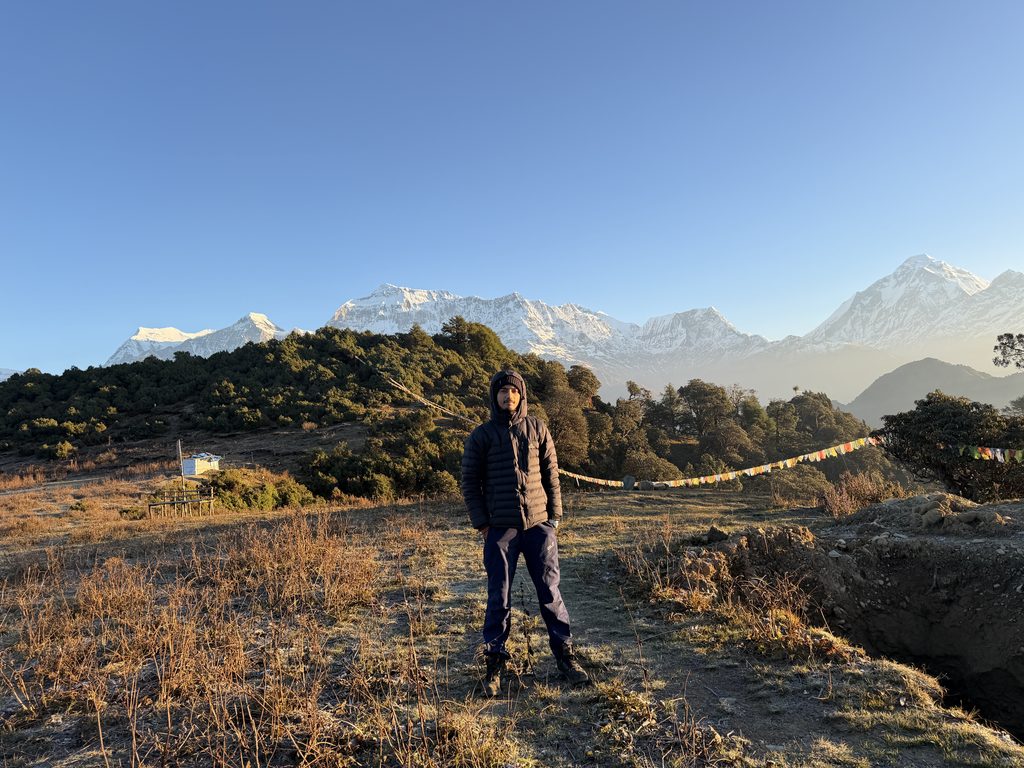
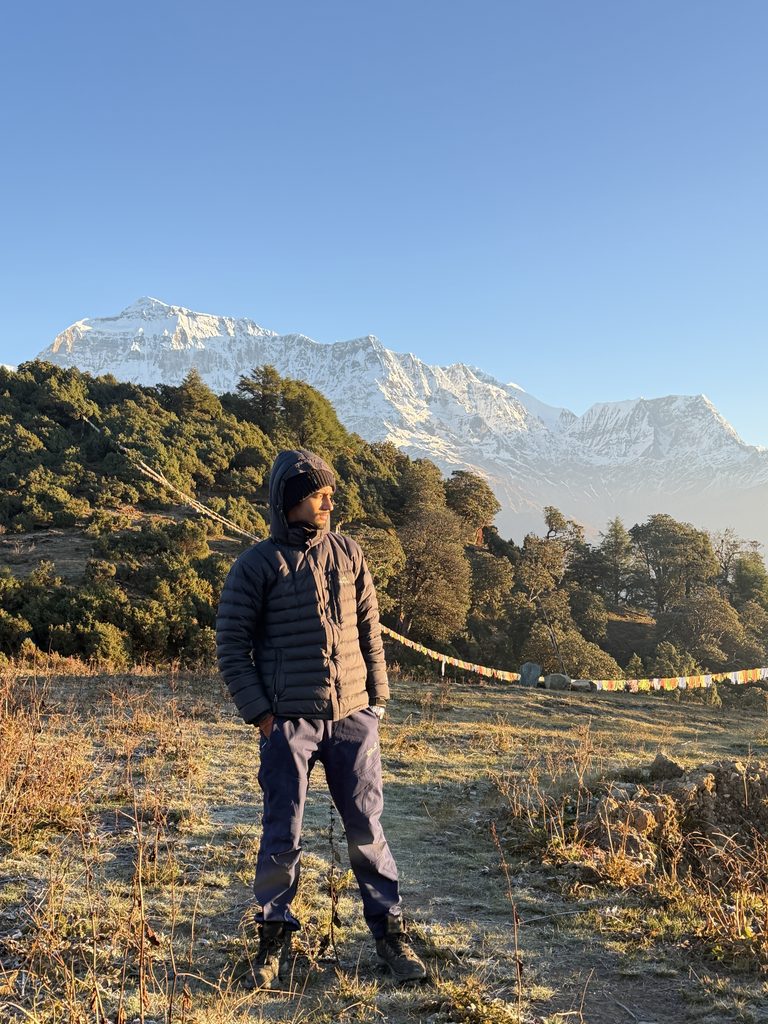
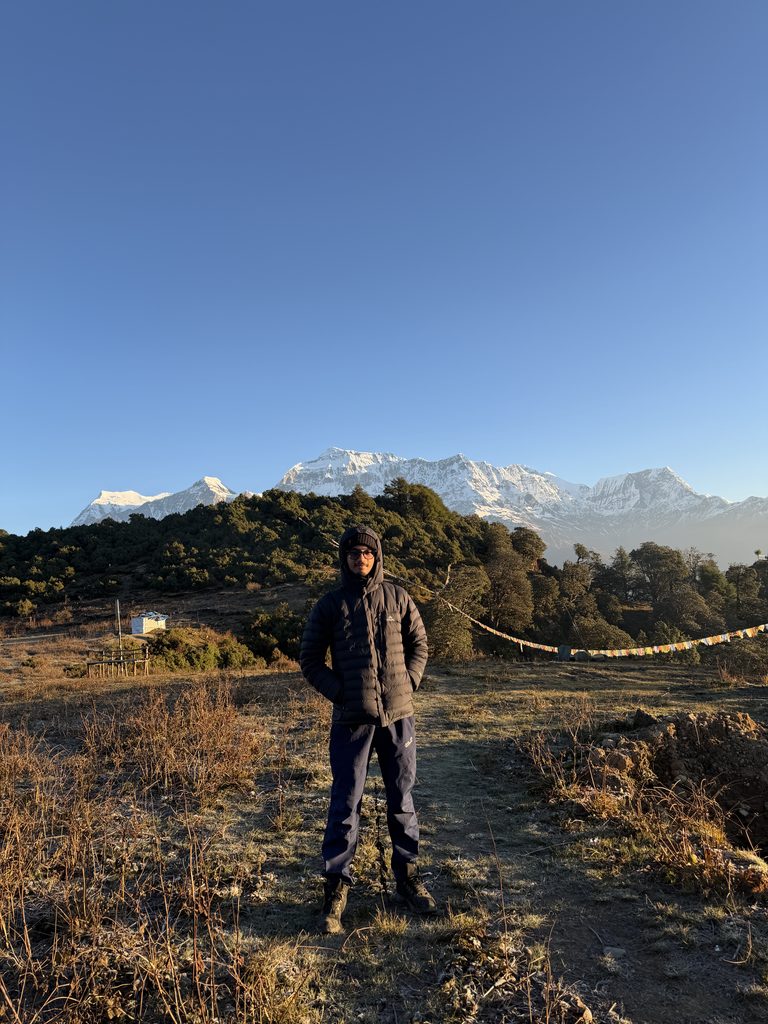
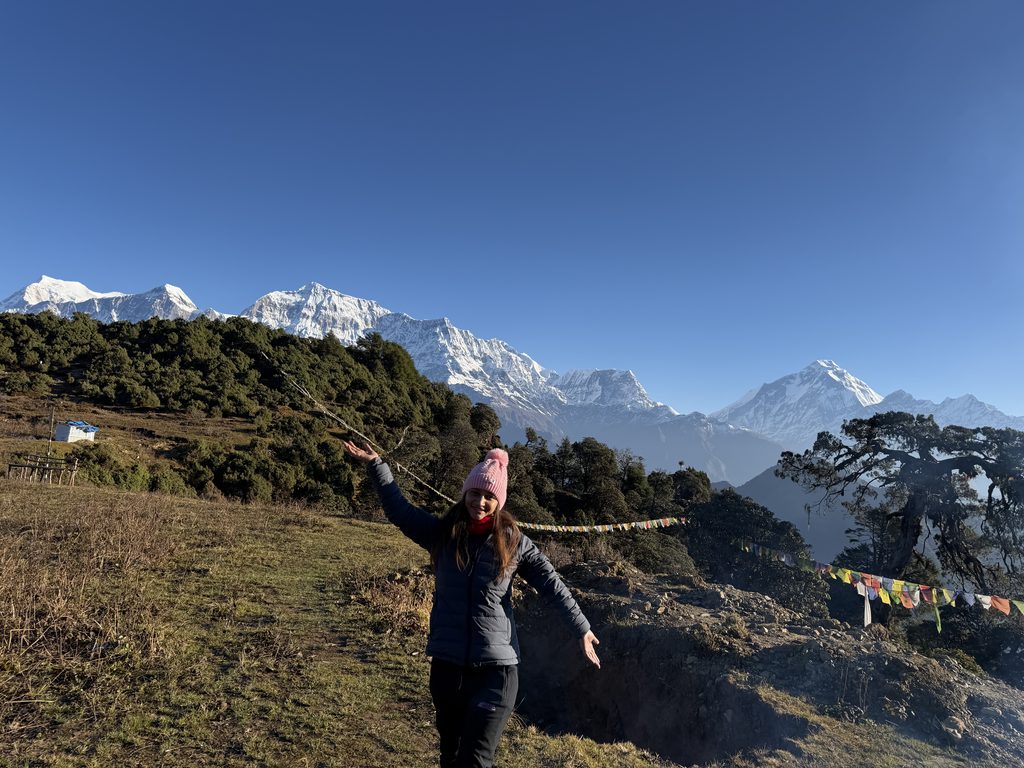
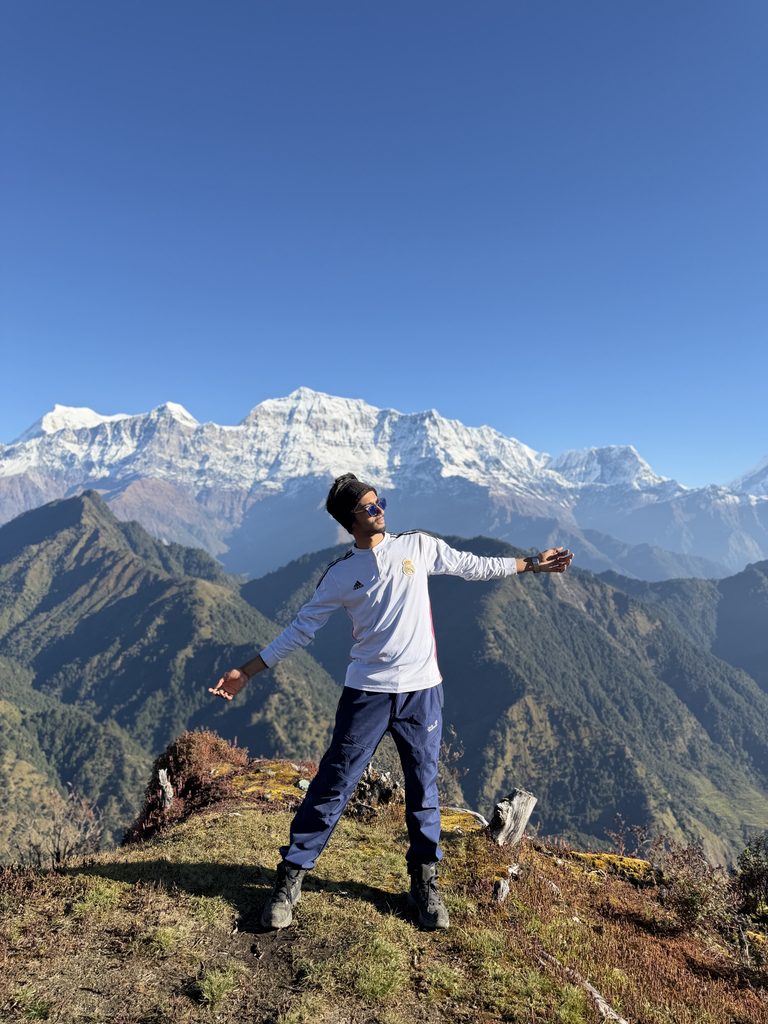
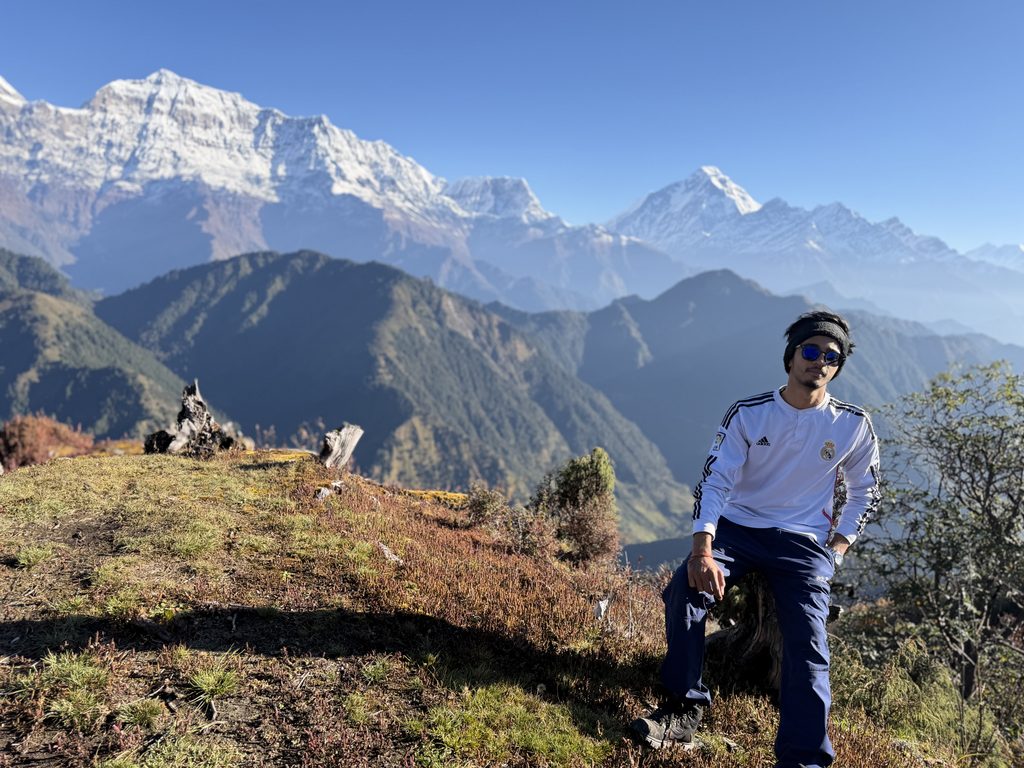
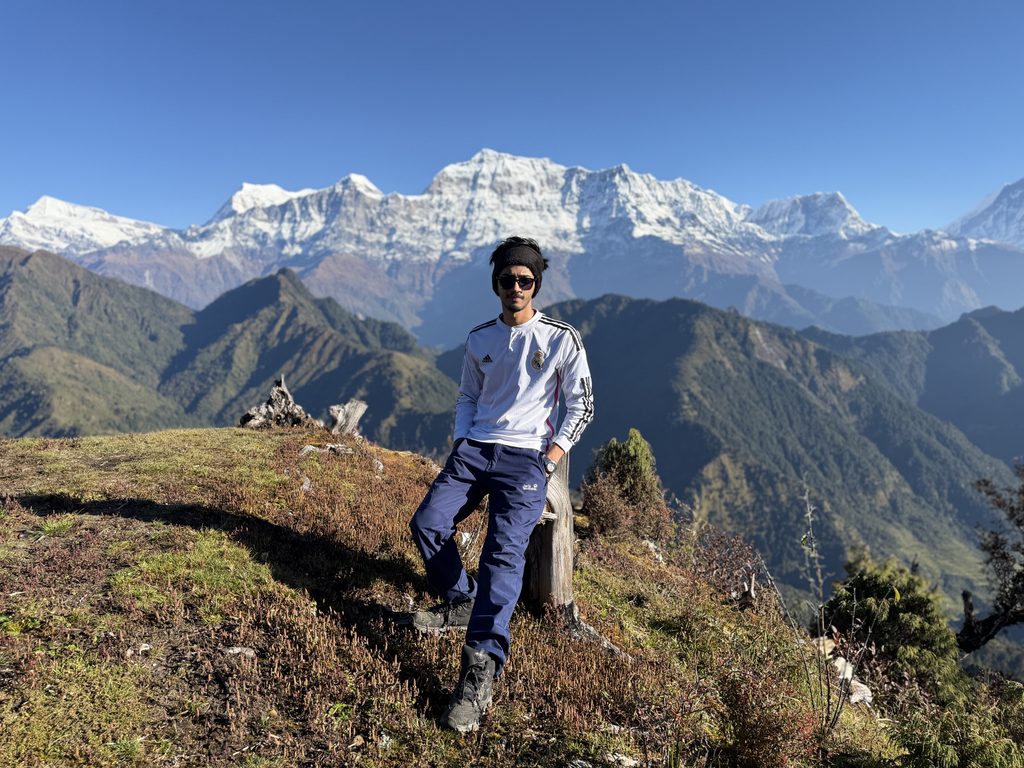
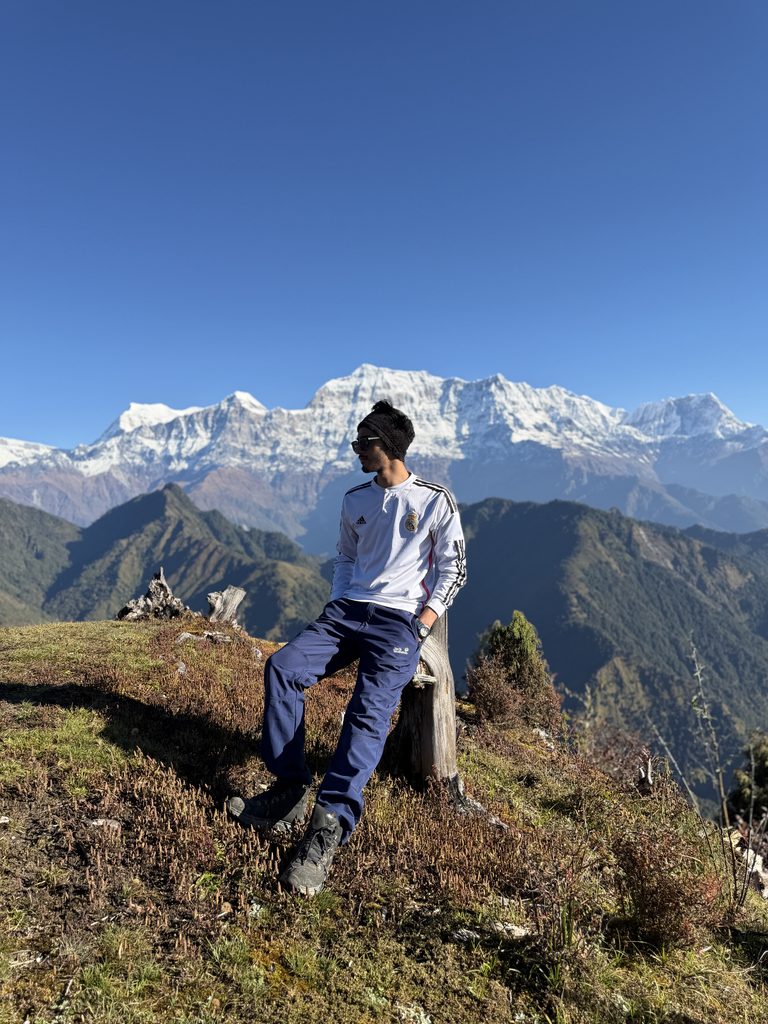
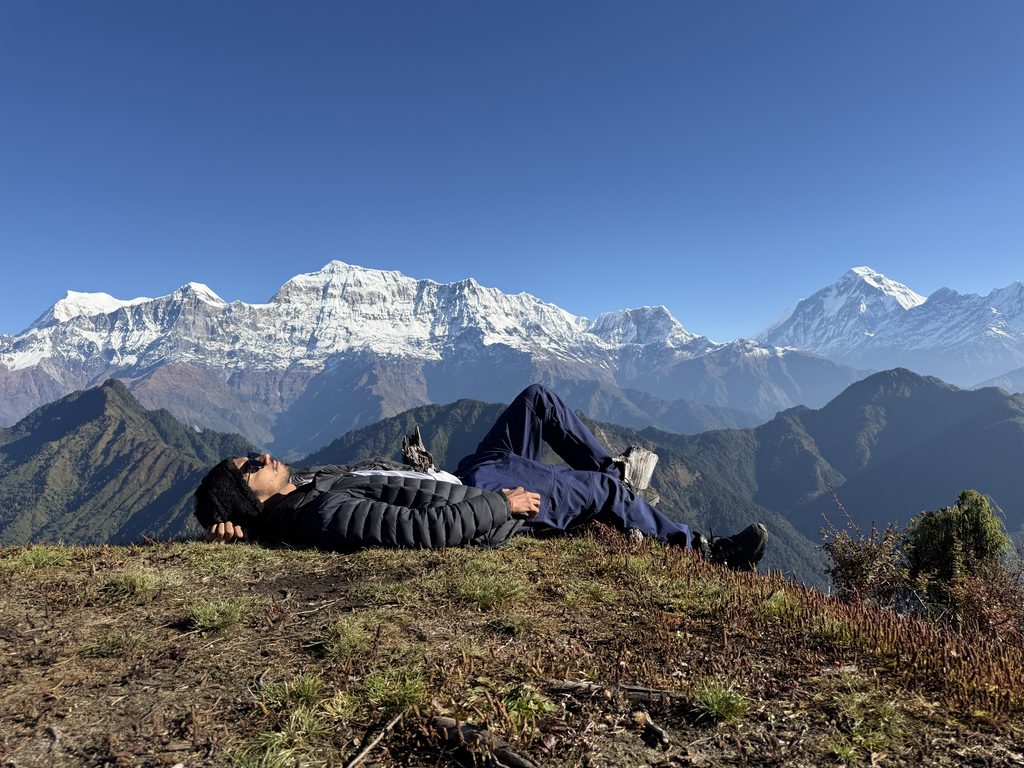
When you crest the ridge on a clear morning, you get hit right in the chest by the view.
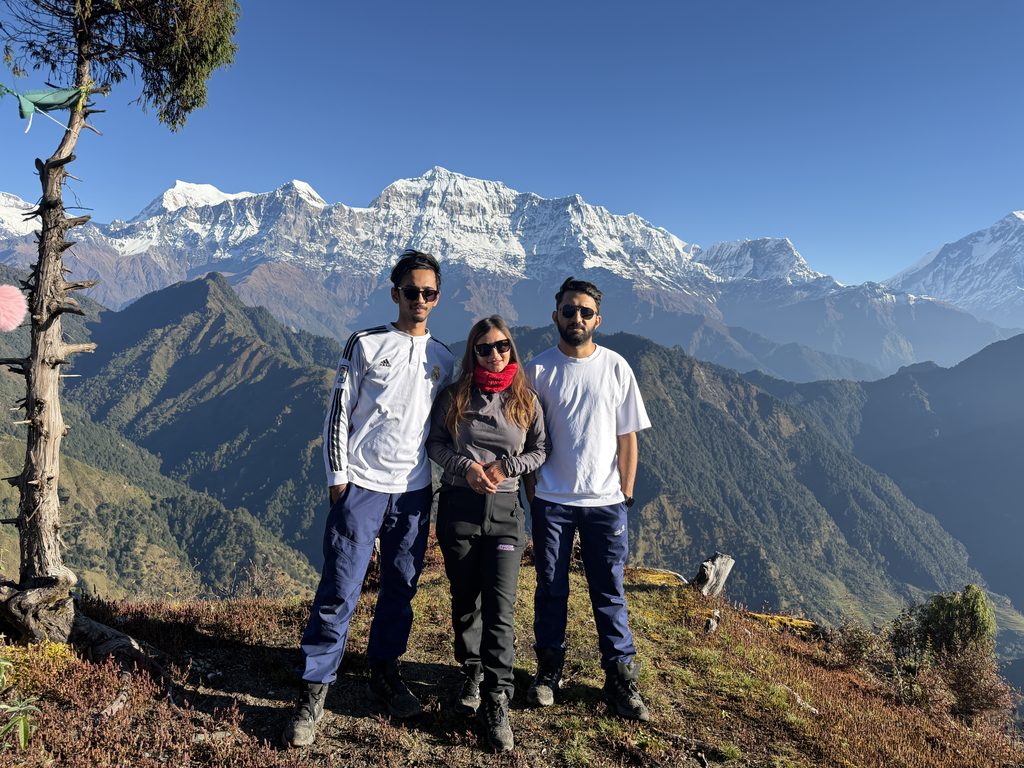
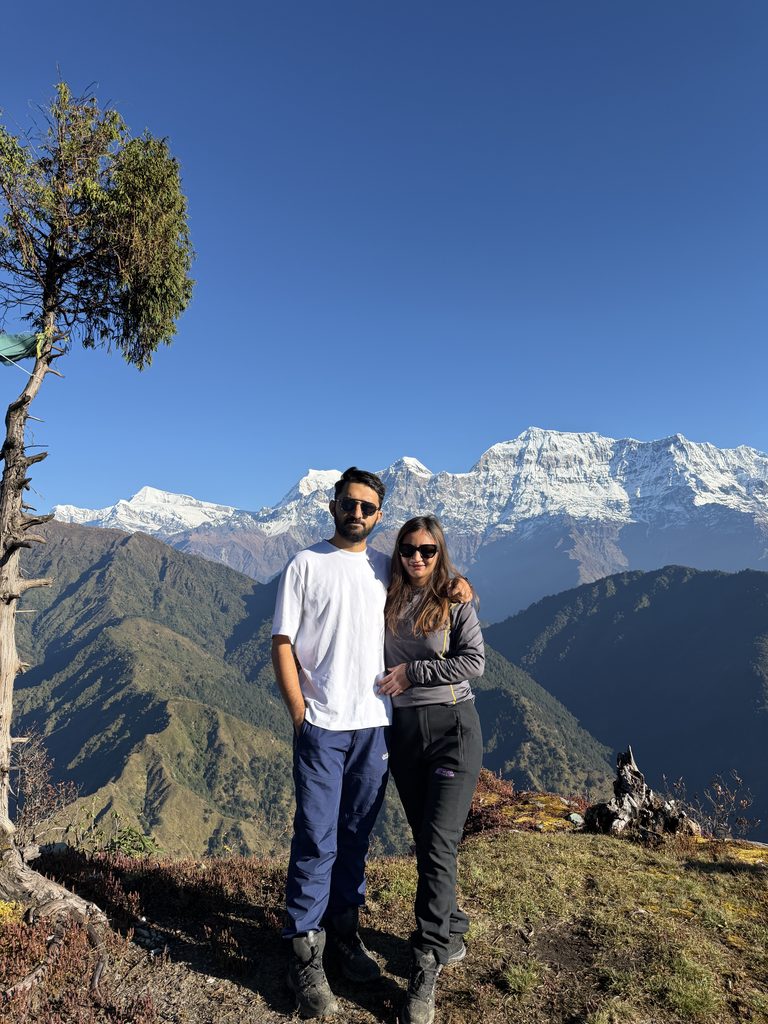
Directly in front of you stands the sheer south face of Dhaulagiri—a massive, blinding wall of ice and hanging glaciers that looks so close you could reach out and touch it. Turn your head, and the horizon stretches from the jagged teeth of Gurja Himal and the Annapurnas all the way west toward the isolated peaks of Sisne and Kanjiroba.
Jaljala also carries a quiet, heavy spirit. It’s a sacred place marked by small stone shrines dedicated to local forest spirits and Baraha, where shamans gather during monsoon full-moon nights. But it was also a strategic hideout and training ground during the decade-long civil war. Standing out on that windblown pass, looking at old rusted signs and scattered stones, the raw history of the place feels very close to the surface.
Real-World Realities
- Sleeping: In Burtibang, you get simple concrete lodges with attached bathrooms. In Dhorpatan, you stay in basic homestays—a wooden bed, thick quilts that smell faintly of hearth smoke, and a shared outhouse. Around Jaljala, permanent guesthouses are nearly nonexistent depending on the season; herder huts (goths) might give you shelter by the fire, but carrying a lightweight tent and warm sleeping bag is the smartest move if you plan to explore deep.
- Seasons: October to late November gives you crisp mountain air, dry trails, and jaw-dropping mountain views. March to May brings wildflowers and warm days, though afternoon clouds tend to roll in quickly. Avoid the dead of winter (heavy snow cuts the passes off) and mid-monsoon (the lower tracks turn into clay slip-and-slides plagued by leeches).
- Mindset: Pack extra socks, carry a decent headlamp, keep your phone battery close to your body heat, and don't rush. This isn't a trek you tick off a bucket list; it’s one where you sit down, listen to the cowbells in the mist, and let the modern world disappear for a few days.
Image Gallery